The power of a simple website
By Steve · updated July 2026
Almost nobody needs the big site they think they need. A single page, with a clear message and one action, usually brings more customers than ten pages where people get lost. In this workshop I show you why a simple page is so powerful, what it must have to convert, and when it's really your turn.
- Your page is your shop and social media is the flyer: the flyer works better with a shop to walk into.
- Your domain is your own address on the internet: cheap, fast to get, and the foundation for everything.
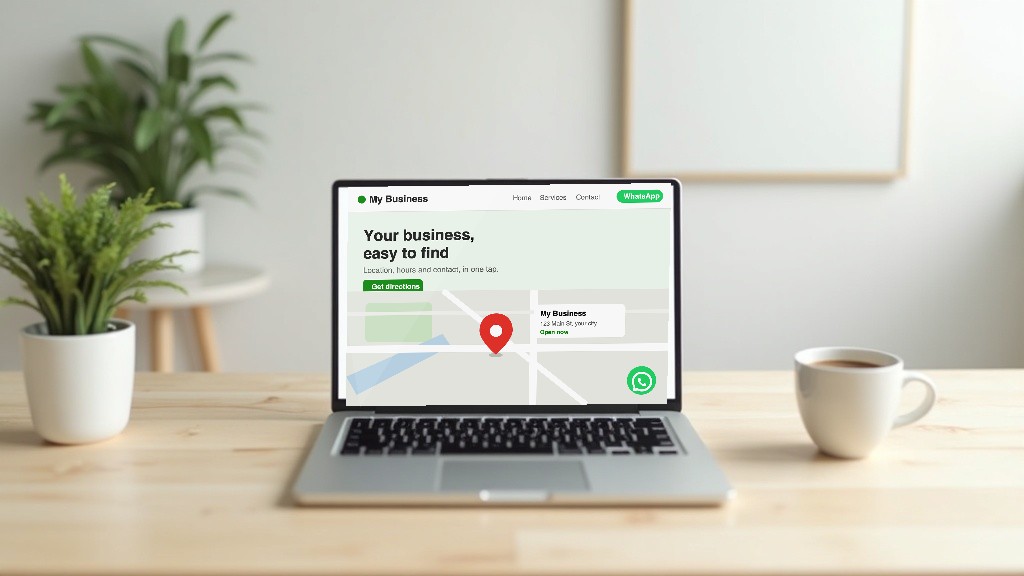
- A single focused page usually sells more than ten, because what converts is clarity, not size.
- A page that sells has five parts: clear message, one action, proof, answers and consistent data.
- Static sites are fast, stable and almost impossible to hack, and they help you show up on Google and AI.
- Web 2 is rented platforms, Web 3 is owning your stuff, and your domain and page already make you an owner today.
Your page is your shop; social media is the flyer
Your website is your shop, with everything arranged to sell. Your social media is the flyer you hand out on the street so people come. The flyer works better when there's a shop to walk into.
And there's a deeper difference: your Instagram account is rented ground, the algorithm decides who sees you, and an account can go down with all your followers. Your page is yours: your domain, your content, your rules. It's not about dropping social media, it's about not building your whole house on someone else's land.
Your domain: your own address on the internet
Before the design comes the name. Your domain (that yourbusiness.com thing) is your own address on the internet, and it's the first piece of owning something. An email with your domain ([email protected]) also says "serious business" next to the one handing out a random gmail.
Quick tips: pick it short and easy to say over the phone, easy to understand when heard, and with your brand if possible. The .com is still the most trusted; if it's taken, a country domain works fine. And once it's yours, it stays yours as long as you renew it: it doesn't depend on any social network.
It costs little and you get it in minutes. It's the foundation your page, your email and your presence on Google and AI all stand on.
Why a single page usually sells more
When one objective truly matters (that they contact you, book, buy a service), every extra page is one more exit where the person leaves without acting. More options isn't more professional: it's more friction.
What converts isn't size, it's clarity. A focused page, done well, beats a big confusing site almost every time. That's why it's worth starting with what brings customers today, and growing later when you have enough to fill more.
The five parts of a page that sells
Page or site, what sells is the same. These five pieces do the work:
- A clear message up top: what you do and for whom, in a sentence you get at a glance.
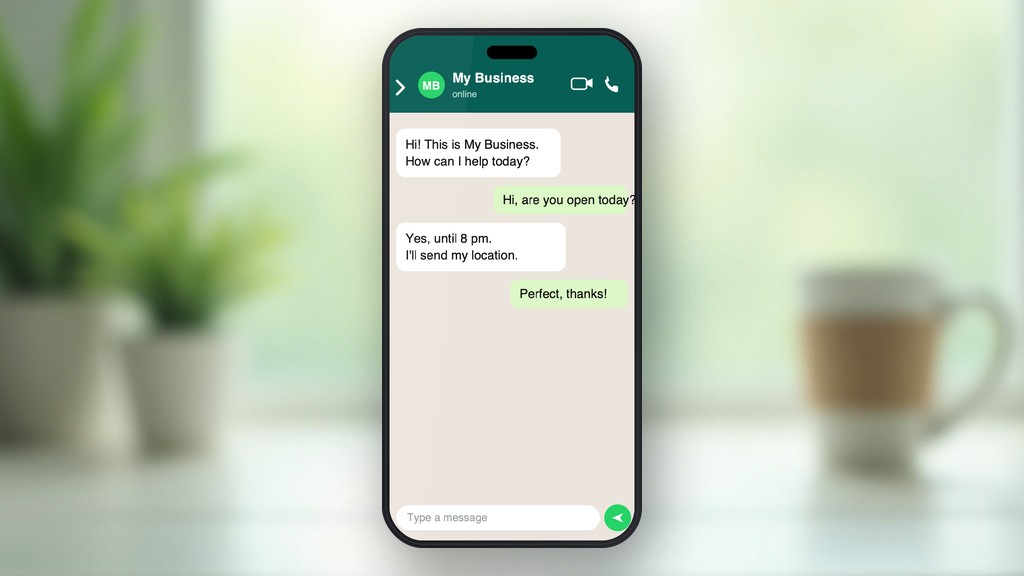
- One visible action: a WhatsApp or contact button you see without scrolling. One action, not five.
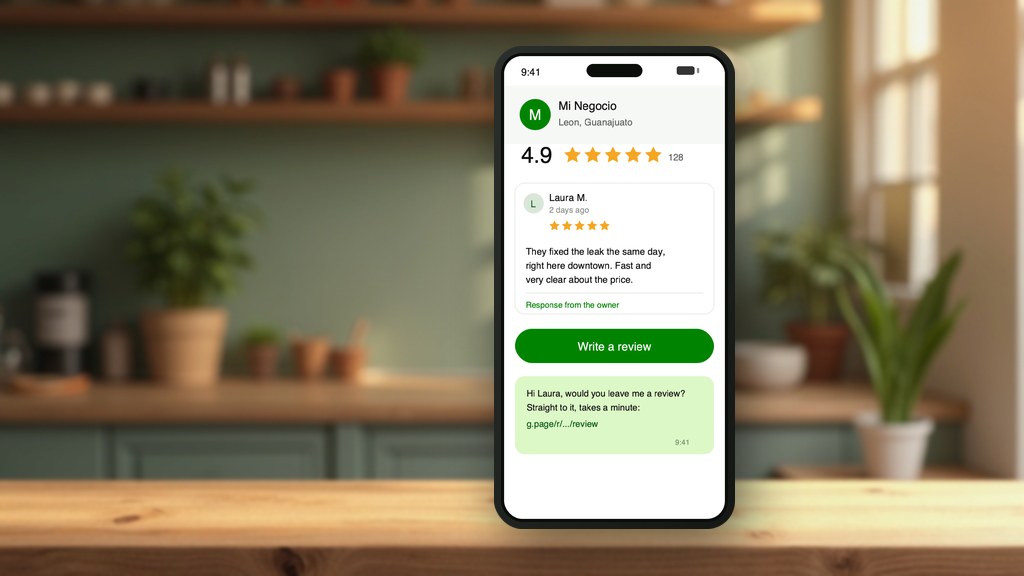
- Proof you're real: real photos, reviews, cases. Trust is shown, not declared.
- Answers to the doubts that stall: price, timing, how you work. What people ask before deciding.
- Consistent data and location: your name, phone and address the same as on your Google listing.
Fast, stable and hack-proof
A simple page doesn't mean a fragile page. I build on static sites: they load fast, don't crash and, with no database or login, there's almost nothing to hack. No plugins to update, no passwords to steal, so your business looks serious and sleeps easy.
Plus, your own page strengthens your presence on Google and lets artificial intelligence recommend you. Without a page, for AI your business barely exists, and your competition takes that channel of customers.
Web 2 vs Web 3, in plain terms: from renting to owning
You'll hear about "Web 2" and "Web 3", and it sounds complicated, but the core idea is one you already know: ownership. Web 2 is today's web, the one of the big platforms: you post on Instagram, on Facebook, on a marketplace, and you live there comfortably, but renting. The house is theirs: they set the rules, decide who sees you and can take your account.
Web 3 is the current pushing the opposite way: that you own what's yours (your data, your identity, what you build) without depending on a single company. Without getting technical, the spirit is that: less rented ground, more ground of your own.
What does it have to do with your business today? That you don't need to wait for Web 3 to own yours. Your domain and your own page are already your ground: nobody takes them down or changes the rules on you. Start there, and whatever comes next finds you standing in your own house, not the rented one.
Is it your turn? The honest test
Three questions, no tricks: do your customers search for you on Google, or do they only come by word of mouth? Do they compare you with others before buying? Do you want to grow beyond your current followers?
If you answered yes to a single one, it's already your turn to have a page. If all three were no and you're full from pure word of mouth, save this guide for when you want to grow. A page is an investment, and investments are made when the business will use them. When that day comes, I do it right the first time.
Design your page on one sheet with me, live
The workshop is live and in a group, over video call: I build the skeleton of your page with you: your message, your one action and the proof you need. Sign up and I'll email you the date as soon as I have the next session set.
- The domain you want, or two or three options you like.
- Your logo and 5 real photos of your work.
- In one sentence: what you do and who for.
No time limit: each session runs as long as it takes, and I stay until your questions are answered.
Free. I open each group once 15 people sign up and I announce the date on my WhatsApp channel. Sign up and follow the channel so you don't miss the next session.
Frequently asked questions
Does a single page look unprofessional?
No. A focused, well-made page usually converts better than a big site full of filler. What looks unprofessional is a site with empty sections or no clear objective. Clarity sells more than the number of pages.
Can I start with a page and grow into a site later?
Yes, and it's what I recommend in most cases. You start with a page that already generates contacts and, when you have more services or content, I turn it into a site without losing what's built.
Why a static page and not WordPress?
Because it loads faster, doesn't crash and, with no database or login, there's almost nothing to hack. Less maintenance, less risk and a better experience for whoever visits you.
Do I need a website if I already have social media?
It depends on how customers reach you. If they search for you on Google, compare you before buying, or you want to grow beyond your followers, yes: social media covers none of that and it's rented ground. If you live off direct word of mouth, you can wait, but the page becomes key the moment you want to grow.
Turned out it's your turn? I'll do it right the first time
Start with your Exploration and Analysis. Requesting it costs nothing, and I'll tell you what's right for you first.